15 Cheat Codes to Win Instantly at Pickleball
The Drills-Free Path to a Better Game
I see it all the time on the courts: players spend hours drilling, trying to perfect their technique, but the wins just aren't materializing. It's a common frustration.
What if you could significantly improve your results without spending another minute on repetitive practice? The truth is, winning more often doesn't always come from more drilling, but from smarter strategic adjustments.
"These small, targeted changes are like 'cheat codes' for your game — simple inputs that unlock a much higher level of play."
Pillar 1: The Interface — Paddle Mastery
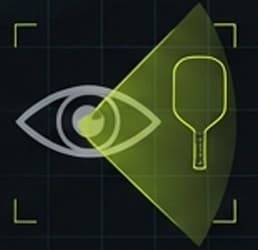
1. Keep Your Paddle Visible (Peripheral Vision)
When the paddle goes outside your peripheral vision, you lose a sense of its position and are forced to rely on pure athletic timing. Shift from relying on timing to relying on a repeatable, mechanical motion.
2. Non-Dominant Hand as a Stopper
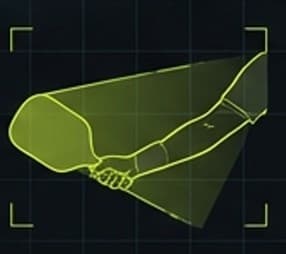
Use your non-dominant hand as a stopper. As you bring the paddle across on backhands, stop it with your other hand to ensure it stays in front. This prevents over-swinging.
3. Ready Position — Paddle UP
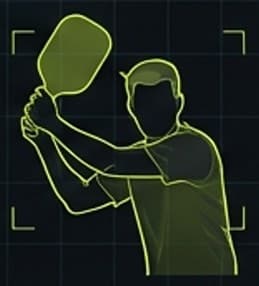
After you hit, keep the paddle UP. Don't drop it to your side.
4. The "Baby Bird" Grip (Pressure 3/10)
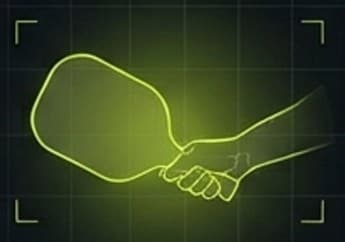
Counter-intuitive: The harder the ball comes at you, the lighter your grip should be. A loose grip allows your paddle to act as a shock absorber.
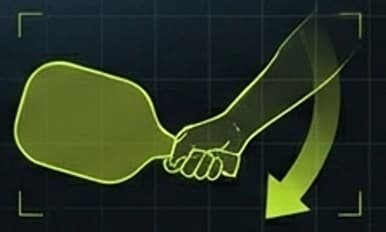
5. Hard Snap for Attack
Don't swing across your body. Hit down on the ball. When you snap, the paddle naturally returns to ready position.
Hitting Down > Hitting Hard
Pillar 2: The Engine — Body Mechanics
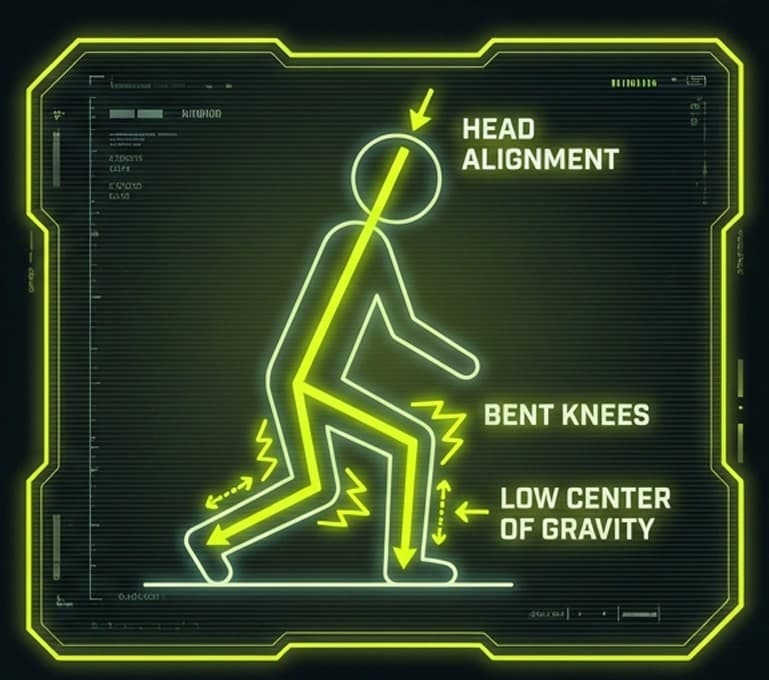
6. Head Alignment & Knees
The Head: Keep it still. When you lift your head, your paddle lifts with it.
The Knees: Get low with your legs, not your back. Stability is key.
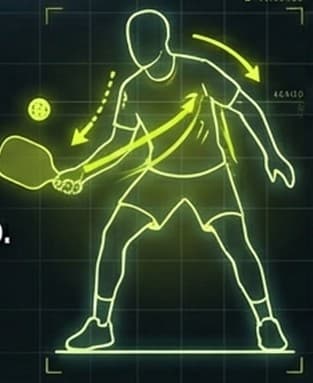
7. Torso Tracking
Don't just reach with your arm. Your chest should face the contact point.
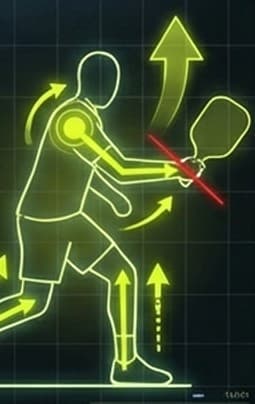
8. The Backhand Hinge
Use shoulder as the hinge.
Push with feet, lift with shoulder.
Pillar 3: The Foundation — Footwork
9. The Split Step
Never run THROUGH a shot. As soon as you see the opponent's paddle go up → Perform Split Step → Stop feet → Drop paddle → Be ready.
10. Transition Zone Movement
Let the quality of your return dictate your movement:
Deep Return: Pushed them back? Get all the way up to the non-volley zone line.
Medium Return: Lands mid-court? Take steps, then split-step. Be ready for a drive.
Lousy Return: Short and weak? Stay back. Prepare to defend from the baseline.
11. Baseline Discipline
Step BEHIND the baseline. If you creep in, deep returns force you onto your back foot.
Pillar 4: The Map — Strategy & IQ
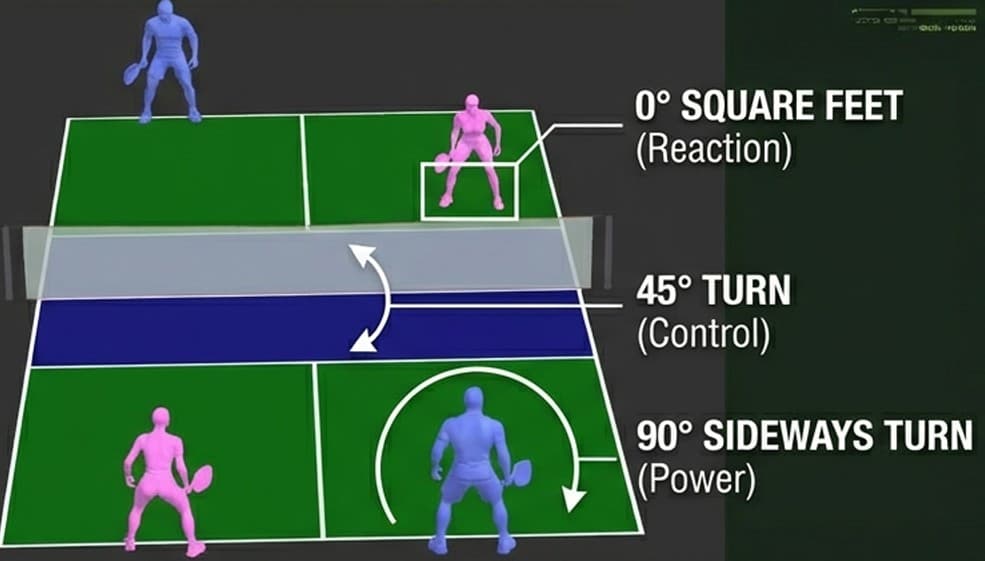
12. Court Geometry
Match your stance to your zone:
Baseline (Far Back): Turn body 90° sideways. Engage legs/core for power.
Transition (Mid): Turn 45°. Compromise for power + reaction time.
Non-Volley (Net): Feet SQUARE. Rotation comes from torso. Max readiness.
13. The Traffic Light System
Stop giving away free points. Use this mental model to decide when to attack:
RED LIGHT (Below Knee): Any attempt to attack will hit the net or sail long. Action: SOFT. Reset with a dink.
YELLOW LIGHT (Hip High): Calculated risk. If confident, proceed. Action: Roll volley.
GREEN LIGHT (Shoulder High): "Shoulder high, let it fly." Hit DOWN, not deep. Action: ATTACK. Snap down.
14. The Mentality of Commitment
"It is better to commit to the wrong shot than to hesitate on the right one."
DECIDE: Glance at positioning. Are they rushing? Crowding?
EXECUTE: Commit to shot and placement BEFORE ball arrives.
ASSESS: Watch the ball all the way into the paddle.
15. Play Smarter, Not Harder
These aren't just tips; they are fundamental shifts in how you approach the game. Stop relying on brute force and start out-thinking your opponents.
By focusing on grip pressure, court positioning, and shot selection, you can eliminate unforced errors and put yourself in a position to win more points, starting today.
Instant Win Checklist
Paddle in peripheral vision
Grip pressure 3/10 (Baby Bird)
Head down, Knees bent
Lock the wrist, hinge the shoulder
Split step: Stop before you hit
Feet behind the ball
Red/Yellow/Green light decision making
Commit to every shot